Insights
Restaurant Upselling and Cross-Selling Guide (2026)
Restaurant upselling and cross-selling explained: examples, server lines that aren't pushy, QR menu suggestions and the KPIs that show what works.
Updated: November 26, 2026
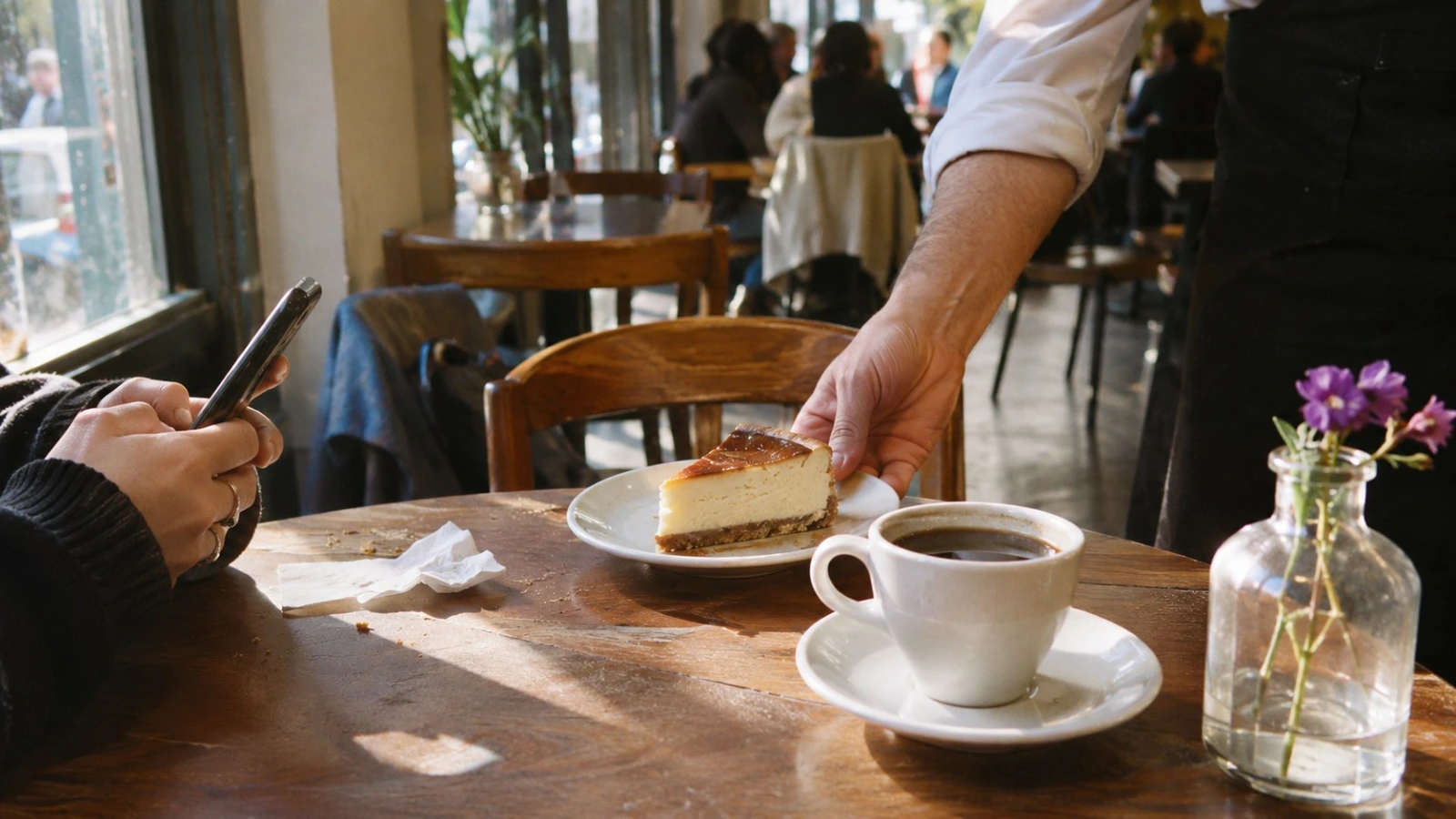
Restaurant upselling means suggesting a bigger or better version of what the guest already chose, such as a large latte instead of a medium or adding cheese to a burger. Cross-selling means suggesting a different item that goes with it, such as fries with the burger or dessert with coffee. Done well, both raise the average check without making guests feel sold to.
This guide covers the difference between the two, which items to suggest, how servers can upsell without being pushy, how to build suggestions into the menu, and how to measure the result.
What is the difference between upselling, cross-selling and suggestive selling?
Upselling moves the order up: same item, higher value. Cross-selling moves it sideways: a new item is added to the check. Suggestive selling is the umbrella term for both, meaning any recommendation a server or menu makes to help the guest order.
Upselling | Cross-selling | |
|---|---|---|
What is suggested | A larger or premium version of the same item | A different item that complements it |
Restaurant example | Large instead of medium, double patty, extra shot | Fries with a burger, salad with pasta, dessert with coffee |
Best moment | The second the guest chooses the item | Main course order and the dessert/coffee moment |
Effect on the check | Raises the price of an existing line | Adds a new line |
Where it lives on the menu | Size and portion options, add-ons | "Goes well with" lines, combos |
Most common mistake | Not mentioning the price difference | The same scripted line at every table |
Why does upselling matter for restaurants?
The cheapest revenue you can earn comes from a guest who is already seated. Winning a new guest takes marketing, reviews and time; suggesting the right dessert at the right moment only takes a good habit. Drinks, desserts and sides also often carry a higher contribution margin than mains. Check that against your own recipe costs rather than assuming it; our restaurant menu pricing guide shows how. For the wider picture, see 5 ways to increase restaurant revenue.
What are good examples of upselling in a restaurant?
A good suggestion fits what the guest chose, does not slow the kitchen at peak time, is well stocked and earns a healthy margin. The "stars" and "puzzles" in a menu engineering matrix are usually the best candidates.
Guest orders | Cross-sell | Upsell |
|---|---|---|
Coffee or latte | Pastry or dessert of the day | Large size, extra shot, oat milk |
Burger | Fries, onion rings, house lemonade | Double patty, bacon or cheese |
Pasta | Side salad, garlic bread | Add chicken or shrimp |
Pizza | Starter to share, soft drink | Larger size, extra toppings |
Brunch plate | Fresh orange juice, side of fruit | Add eggs or avocado |
Grilled main | Seasonal side, dessert | Bigger cut or premium side |
How do you upsell in a restaurant without being pushy?
Listen first. If the guest says "something light", do not push a heavy side.
Suggest one specific item. Not "Any dessert?" but "The baked cheesecake just came out of the oven, it's great with your coffee."
Time it right. Drinks at the start, sides with the main order, dessert and coffee when plates are cleared.
Be clear about price. "We also have a large, the price is on the menu" keeps trust intact.
Take "no" gracefully. Asking twice costs you the next visit.
Lines that sound like advice rather than a sales script:
"Most people add the side salad with this, it balances the dish."
"If you're staying a while, the large is better value."
"For two, this starter is great to share."
How do you build upselling into the menu and QR menu?
Servers cannot remember every suggestion at every table on a busy night; the menu can. Add a single "goes well with" line under key items, show size options with prices side by side, list combos with their contents and price, and give desserts and drinks strong photos. Our guide to menu descriptions that sell covers the wording.
On a QR menu, the suggestion appears the moment a guest looks at an item, at every table, every time. In the Foost digital menu, Pro and Premium plans can add AI-generated pairing suggestions to every item (compare plans). Whatever tool you use, keep it a suggestion: nothing should be added to an order without the guest choosing it.
Which KPIs show whether upselling works?
Average check = Total sales ÷ Number of checks
Attachment rate = Checks that include the suggested item ÷ Total checks
Table turnover: make sure suggestions do not slow service at peak times.
Example scenario (hypothetical figures): a 16-table neighborhood café closes about 600 checks a week, and dessert appears on 90 of them (15%). Servers start suggesting only the dessert of the day with coffee orders, and the QR menu adds a "goes well with" line to coffee items. If dessert appears on 150 checks four weeks later, the attachment rate has reached 25%; at $6 a slice, that is about $360 in extra weekly sales. Compare the same days and hours, change one thing at a time, and share the results with the team.
How do you train restaurant staff to upsell?
Pick a "suggestion of the day" in a five-minute pre-shift briefing.
Let staff taste what they recommend.
Pair each main item with one complementary item and keep the list at the service station.
Share the weekly attachment rate so the lines that work spread across the team.
Role-play handling a "no" politely.
Two rules keep it honest: only suggest items that are on the menu with a visible price, and check local rules before promoting alcoholic drinks, since many markets restrict alcohol promotions. Upselling works best when it feels like hospitality: the right item, at the right moment, with a clear price.
FAQ
- What is upselling in a restaurant?
- Upselling is suggesting a larger or premium version of what the guest already ordered, such as a large coffee instead of a medium, a double patty or an added topping. It raises the value of an item already on the check.
- What is the difference between upselling and cross-selling?
- Upselling increases the value of the item the guest chose, while cross-selling adds a different, complementary item such as fries with a burger or dessert with coffee. Both are forms of suggestive selling.
- How do you upsell without being pushy?
- Listen first, suggest one specific item instead of a generic question, time it to the right moment, be clear about the price and accept a "no" without asking again.
- What are examples of upselling in restaurants?
- Common examples are a large size or extra shot for coffee, a double patty or cheese for a burger, adding chicken to pasta and offering a premium side with a grilled main.
- How do you measure upselling success?
- Track the average check (total sales divided by number of checks) and the attachment rate (checks that include the suggested item divided by total checks), comparing the same days and hours before and after a change.