Insights
Allergens, Calories, and Portions on Digital Menus: Building Guest Trust in 2026
Learn how to present allergens, calorie estimates, portion sizes, and serving times on digital menus to build guest trust and keep restaurant teams aligned.
Updated: November 20, 2026
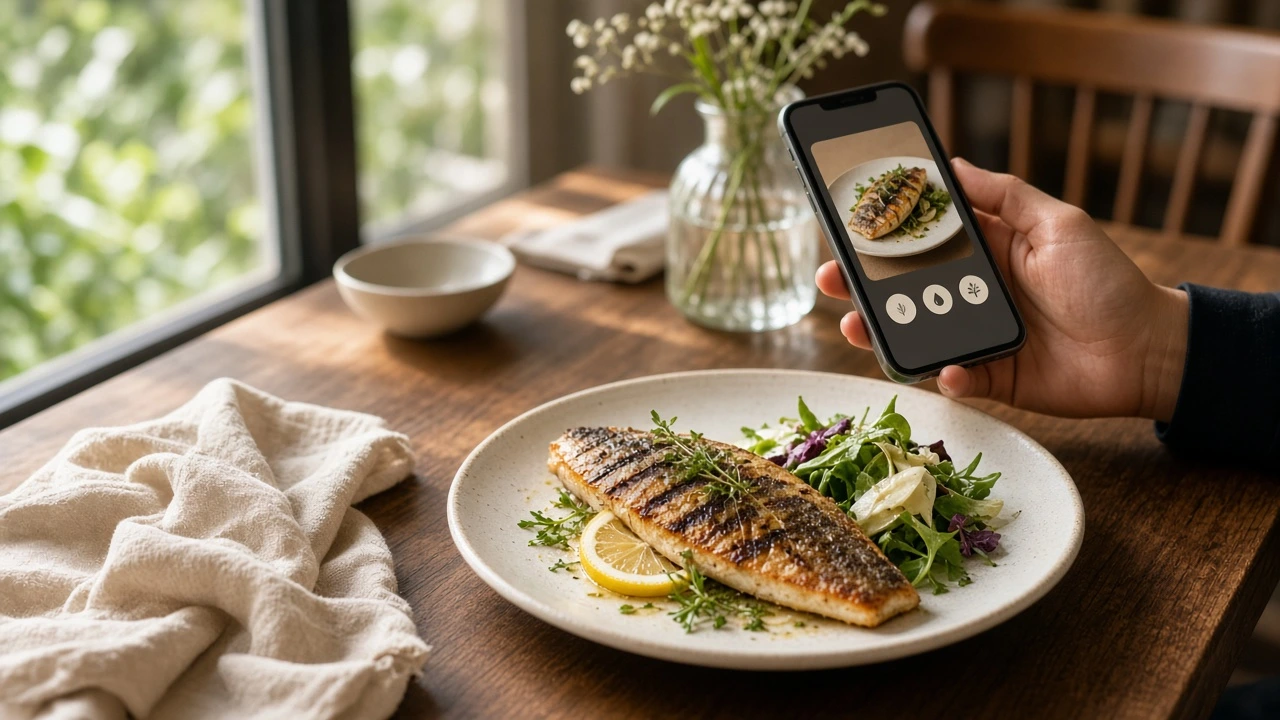
Does the dressing contain milk? Is the dish a full meal or a sharing plate? Will it arrive before a guest needs to leave? These are everyday restaurant questions, but they are not all asking the same thing. One concerns safety, another appetite, and another time.
In 2026, a useful digital menu can answer more than “what does it cost?” Allergen labels, calorie estimates, portion details, and realistic serving times help guests understand what they are ordering. The goal is not to make every dish look scientifically precise. It is to share information your kitchen can stand behind, with clear limits where estimates are involved.
Give each kind of information the right level of certainty
These four details should not be treated as interchangeable data fields:
Allergens need checking against recipes, ingredient labels, and kitchen practices.
Calories depend on the recipe and serving size; label estimates accordingly.
Portions and weights need a clear explanation of what is included.
Preparation and serving times describe an expected wait, not an unconditional promise.
“Estimated” is useful information, not an apology. But uncertainty about an allergen should trigger a kitchen check, not an educated guess.
Start allergen labels with the full recipe
A dish name rarely tells the whole story. A sauce, marinade, garnish, or bought-in ingredient may contain something that is not obvious from the main description.
Before publishing, have the kitchen lead check the recipe and supplier ingredient labels. Include the finishing touches, not just the main component. Assign someone to update the menu when a recipe or supplied product changes.
Also separate ingredients present in the recipe from cross-contact risks. Shared fryers, utensils, and preparation areas need their own assessment. An ingredient being absent from the recipe does not establish that a dish is free from that allergen. Do not turn an AI suggestion into an unsupported “allergen-free” claim.
A short invitation helps: “Please tell our team about any food allergies before ordering.” Keep it near the relevant information. It opens a conversation; it does not replace accurate labels or staff checks.
Make calorie estimates understandable
Calorie information can help guests compare dishes, but oil quantities, sauces, cooking methods, and serving sizes affect the result. A precise-looking figure is not necessarily an accurate one.
State whether a value applies per serving or per 100 grams. Explain whether the standard sides and sauces are included. If an optional extra changes the meal, do not imply that the original figure covers everything a guest might add.
Keep the language neutral. A lower-calorie dish is not automatically suitable for every guest, and a calorie estimate is not personalised dietary advice. Avoid turning a useful menu detail into a broad health promise.
Explain the portion, not just the weight
“Generous portion” means different things to different people. Where useful, describe the number of pieces, the main component, and the accompaniments. Say whether a dish is intended for one person or for sharing without promising it will satisfy every appetite.
For gram weights, distinguish raw from cooked weight. Make clear whether the number covers the main ingredient alone or the whole plate. If it is an estimate, say “approximately”; do not give an AI estimate the same status as a kitchen-verified measurement.
This helps guests picture the meal and gives the service team a consistent way to describe it.
Show a realistic serving window
A guest on a lunch break may make a different choice from someone settling in for the evening. A useful time estimate lets both decide before ordering.
Be clear about the clock: does the time describe cooking alone, or the expected wait from ordering to the table? Base any serving window on normal service conditions, rather than the fastest result your kitchen can achieve.
When the kitchen is unusually busy, staff should explain the current wait. A menu estimate does not remove the need for that conversation. Displaying a time also should not be confused with live kitchen tracking or an automatically updated arrival prediction.
Check the menu against the way you actually work
Start with a manageable group of dishes. Before making the information guest-facing, ask:
Have sauces, garnishes, and supplier ingredients been checked for allergens?
Can staff explain the kitchen's cross-contact considerations?
Are estimates clearly separated from verified measurements?
Is it obvious what the portion includes and what the time estimate measures?
Who updates the information when something changes?
Share the agreed details with both kitchen and service staff. Clearer information may reduce repeated basic questions, but the aim is better conversations, not fewer opportunities to raise a safety concern.
Use Foost as a starting point, not the final sign-off
Foost creates an AI-powered digital menu from an uploaded PDF or menu photo. Its AI can flag common allergens such as gluten, dairy, and nuts, and estimate calories and portions. Preparation/serving times can also be shown on dishes. The restaurant reviews and edits its menu in the dashboard.
AI allergen flags and calorie or portion estimates are aids, not legal or medical guarantees. The restaurant remains responsible for verifying allergens and recipe details before going live. Check the disclosure requirements that apply in your location separately.
Want to explore how these details could look on your menu? Explore Foost, with a 7-day free trial and no credit card required. Use the review stage to bring the digital description into line with what your kitchen actually serves.
FAQ
- Can AI identify every allergen in a dish?
- Do not assume it can. Check recipes, supplier labels, and kitchen practices. An unflagged allergen is not evidence of absence.
- Must every dish have an exact calorie count and weight?
- Do not present estimates as exact measurements. Local menu-disclosure obligations vary, so check the rules that apply to your restaurant rather than treating this guide as a compliance checklist.
- When should we review the information?
- Review affected details whenever recipes, ingredients, supplied products, or portions change. Revisit serving windows when the kitchen's service pattern changes too.